Ingredients, 7 min read
Replacing fishmeal with plant, insect and single-cell proteins
How plant, animal by-product, insect and single-cell proteins compare as fishmeal replacements, and what to check on digestibility, amino acids and minerals.
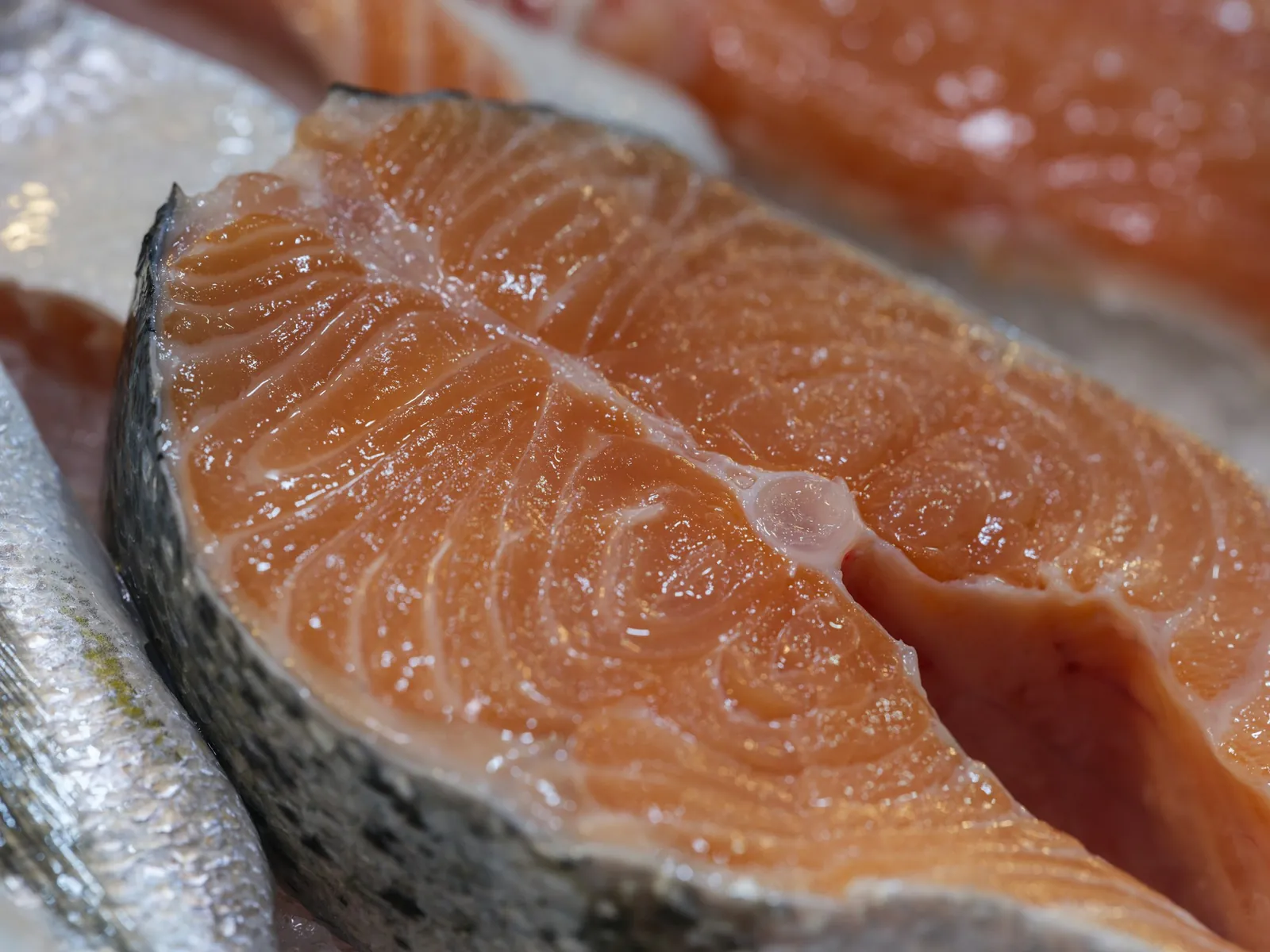
Fishmeal became the reference protein in aquafeeds because it combines high palatability, high digestibility, a balanced amino acid profile and almost no anti-nutritional factors. Protein is also the most expensive part of a fish diet, so every point of fishmeal removed has to be replaced by something cheaper that still delivers the same digestible amino acids, minerals and feed intake.
That is harder than matching crude protein on a spreadsheet. Each alternative brings its own gaps, and they show up in the gut, the extruder and the FCR rather than in the proximate analysis.
Why fishmeal inclusion keeps falling
Most fishmeal comes from reduction fisheries for small pelagic forage fish, which average about 23.4 million tonnes of catch a year, around 26% of global capture fisheries by volume. One global review attributes about two-thirds of the long-run variability in world fishmeal supply to swings in Peruvian anchoveta landings. About 87% of fishmeal already goes to aquaculture, drawing on a pelagic supply that has been declining rather than growing, and fish oil from the same catch has traded at more than three times its long-run price level.
By-products help without closing the gap: almost 30% of global fishmeal is made from processing trimmings, usually with less protein than whole-fish meal. The result is a long decline in the share of fishmeal and fish oil in compound aquafeeds, from about 23% to about 8% in the same review's estimates, with high-inclusion feeds kept for critical life stages. The industry reports its reliance on wild fish through fish-in fish-out (FIFO) ratios, which fall directly as fishmeal comes out, although the review calls the metric misleading because it assumes fixed yields, inclusion rates and FCRs.
Plant proteins and their trade-offs
Legumes, cereal grains and oilseeds have taken most of the space fishmeal gave up; in Norwegian salmon feeds, plant ingredients rose from about 10% to about 60% of the feed. Their shared limits: more carbohydrate, amino acid profiles short in lysine, methionine or both, and phosphorus and cationic minerals held largely in bound form with phytic acid. Anti-nutritional factors such as enzyme inhibitors, lectins and saponins reduce digestibility, and plant ingredients are generally less palatable than fishmeal.
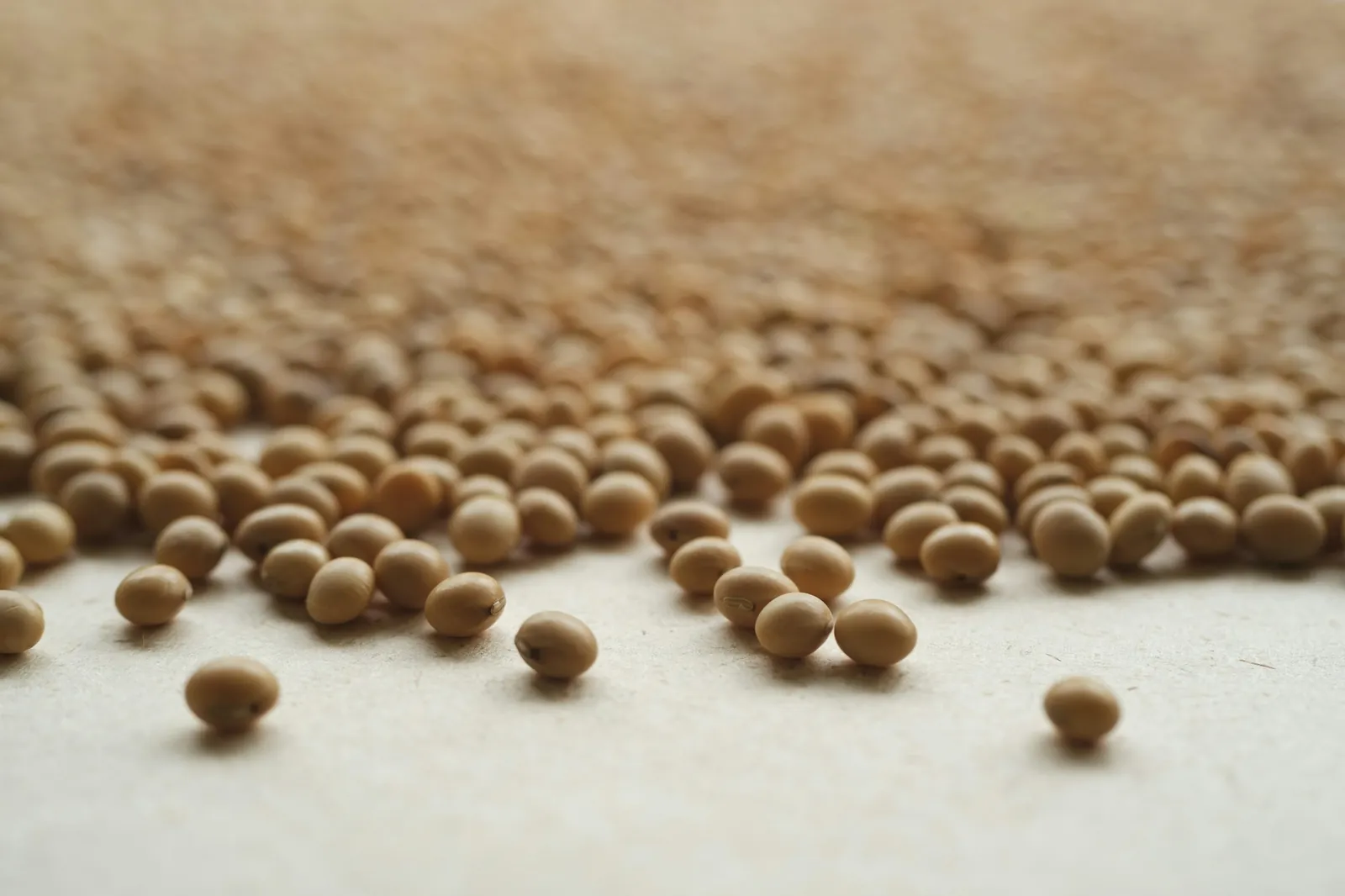
Soybean meal is the textbook case. Early work found that soybean meal above about 10% of the diet induced distal intestinal enteritis in salmonids, linked mainly to soya saponins, and inclusions around 20% are still reported to cause it in Atlantic salmon and rainbow trout. Groupers, yellowtail, Japanese seabass and totoaba have shown it too.
Alcohol-extracted soy protein concentrate (SPC) became the preferred soy product because extraction removes saponins and lowers trypsin inhibitors, antigenic proteins and oligosaccharides. It lowers the risk without removing it: some studies still found enteritis in salmonids fed SPC. Trials replaced 50% of fishmeal with SPC in Atlantic salmon, and all of it in rainbow trout, without a growth penalty, while Japanese flounder grew less with only 25% replaced.
Pea protein concentrate can still carry protease inhibitors, phytic acid and saponins; at 35% of the diet it caused soy-like intestinal inflammation and slower growth in Atlantic salmon. Wheat gluten doubles as a pellet binder but is low in lysine, and with lysine added it has replaced most or all fishmeal in trout without hurting growth.
For marine species, taurine is the gap that crude protein hides. Plant proteins contain low or undetectable levels, while marine proteins are rich sources. Japanese flounder, European sea bass, red sea bream, yellowtail, cobia and sole have responded to supplementation, as have rainbow trout and tilapia; common carp and Atlantic salmon have not.
Animal by-products and insect meals
Rendered animal by-products such as poultry by-product, blood and meat and bone meals are generally palatable and low in anti-nutritional factors. Their legal status varies by jurisdiction; in Europe, their use was restricted for more than a decade over transmissible spongiform encephalopathy concerns. Check the rules in every market where the fish will be sold, not only where the feed is milled.
They are not a straight swap. Methionine, then lysine, is typically first limiting, as in plant proteins, and many terrestrial animal meals are short of taurine. Poultry meal is high in fat with almost no EPA or DHA; more than 31% in hybrid grouper diets produced fatty liver, and full fishmeal replacement in juvenile barramundi, at about 70% poultry by-product meal, damaged the gut lining and cut growth.
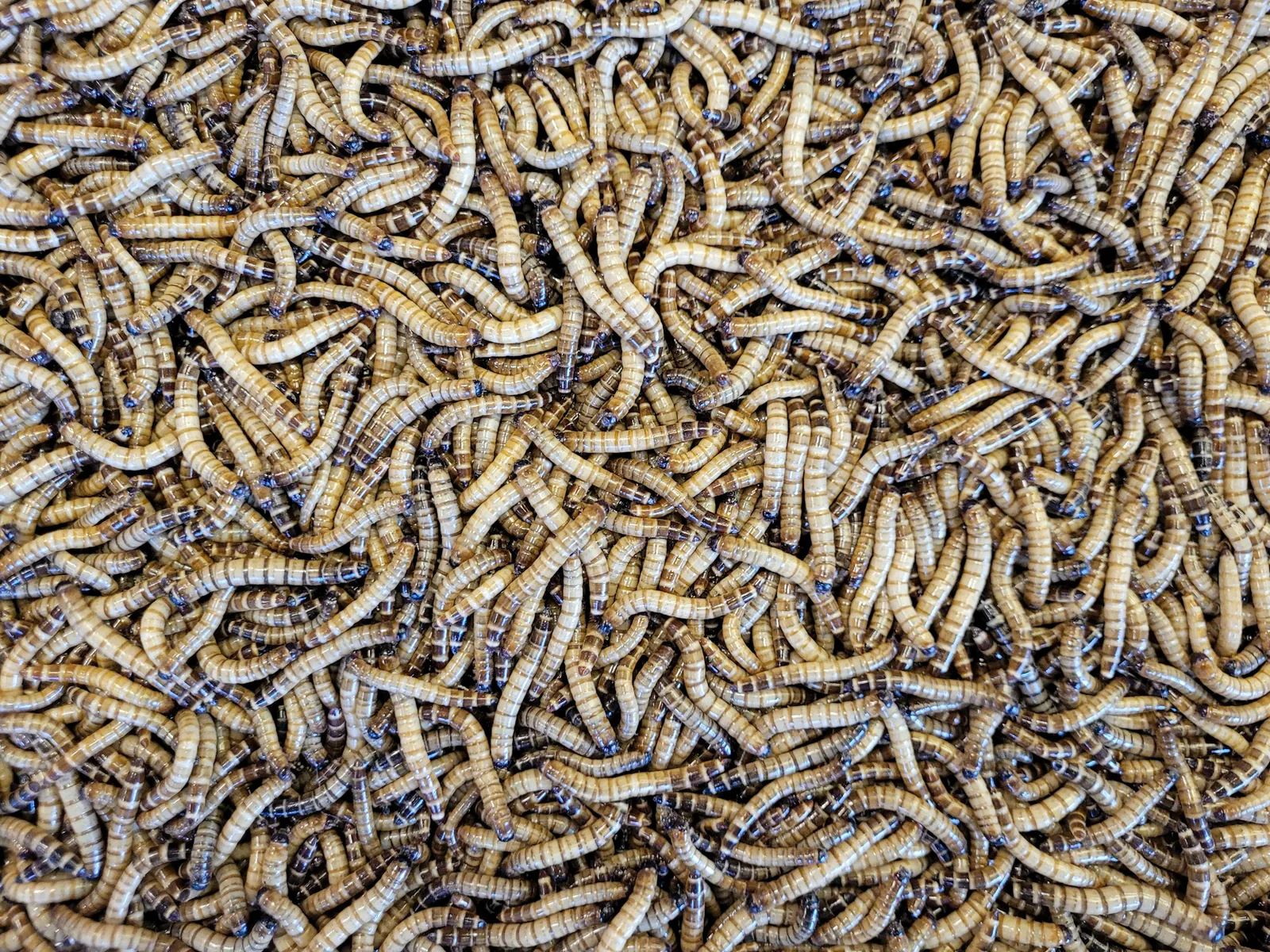
Black soldier fly and yellow mealworm are the leading insect candidates. Their chitin is not degraded by fish and acts as insoluble fibre with possible prebiotic effects, and defatting concentrates the protein and can improve palatability and digestibility.
In one rainbow trout trial, defatted mealworm meal replaced 20, 30, 60 and then 100% of a 25% fishmeal inclusion, and over 90 days final weight rose stepwise and FCR and protein efficiency improved, with no change in digestibility. Two details are worth copying: squid and krill meals stayed constant in every diet to protect palatability, and monocalcium phosphate rose from 1.3% to 3.5% of the diet, with DL-methionine from 0.3% to 0.5%, as fishmeal came out.
Single-cell proteins
Single-cell proteins are bacterial meals, yeasts and microalgae. Bacterial meals typically contain 50 to 80% crude protein with an amino acid profile comparable to fishmeal or soy, and methanotrophs such as Methylococcus capsulatus grow on methane. Yeasts run about 45 to 65% protein but are low in methionine and cysteine, and microalgae about 60 to 70% behind cell walls that limit digestibility unless disrupted.
The drawbacks are nucleic acids, typically 6 to 10% of the product, low palatability in some bacterial products, and above all cost, since bioreactors, sterile conditions and energy-intensive processing keep production expensive. Their functional value may matter as much as their protein: in Atlantic salmon fed 20% soybean meal, bacterial meal, Chlorella vulgaris or the yeast Candida utilis counteracted soy-induced enteropathy, while Saccharomyces cerevisiae did not. Limits still apply, as up to 10% torula yeast in freshwater salmon diets left gut microbial diversity unchanged but 20% in a plant-based diet reduced growth.
What to check when substituting
Before each step down in fishmeal, check the formula against these points:
- Digestibility. Formulate on digestible protein and digestible essential amino acids. The NRC Nutrient Requirements of Fish and Shrimp lists amino acid digestibility coefficients for 31 protein ingredients across more than 10 species; measure new ingredients where possible.
- Amino acids. DL-methionine and L-lysine are the most used crystalline amino acids, followed by threonine, tryptophan, isoleucine and valine. Shrimp feed slowly, so crystalline forms leach unless protected.
- Phosphorus and minerals. Plant phosphorus is largely phytate-bound, so the available phosphorus fishmeal supplied has to come from elsewhere.
- Palatability and pellet quality. Record daily intake, and recheck durability, expansion, oil uptake and water stability on the production extruder.
- Cost per unit digestible protein. Divide price by crude protein fraction times digestibility, then add the supplements the ingredient forces into the formula. As a labelled example only, price index 100 at 65% protein and 90% digestibility gives 171 per unit of digestible protein, while index 70 at 48% protein and 80% digestibility gives 182.
FeedOptima's reference data gives typical ranges for nutrients worth rechecking as fishmeal comes down:
| Species and diet | Nutrient | Typical range |
|---|---|---|
| Atlantic salmon, low-fishmeal | Zinc; selenium; available phosphorus | 100 to 180 mg/kg; 0.6 to 1.0 mg/kg; at least 8 g/kg |
| Rainbow trout | Available phosphorus | 0.7 to 0.8% of diet |
| Nile tilapia | Lysine; methionine plus cystine | 1.4 to 1.6%; 0.9 to 1.0% of diet |
| European sea bass | Lysine; methionine | at least 4.8%; at least 2.3% of dietary protein |
| European sea bass, low-fishmeal | Taurine | 0.2 to 0.5% of diet |
| Gilthead sea bream, low-fishmeal | Taurine | 0.5 to 1.0% of diet |
In practice
- Rebuild the current formula on a digestible amino acid basis so baseline and test diets compare on equal terms.
- Rank candidate proteins by cost per kg of digestible protein, including the amino acids, phosphate and taurine each one requires.
- Replace fishmeal in steps, for example 25, 50 and 75% of fishmeal protein, each tested against the current feed in replicated tanks or pens.
- Record daily intake, growth and FCR at every step, and in salmonids sample distal intestine histology after each soy or pea increase.
- Check available phosphorus, zinc, selenium and, for marine species, taurine against species targets before each trial diet is made.
- In shrimp feeds, use coated crystalline amino acids and a binder that keeps the pellet intact through slow feeding.
- Confirm durability and water stability on a production-scale extrusion before committing a new blend to commercial feeding.
To check a lower-fishmeal formula against FeedOptima's typical species ranges before the first trial, use the free analysis and run an optimization.
Sources
- A review of the global use of fishmeal and fish oil and the Fish In:Fish Out metric, Science Advances. https://pmc.ncbi.nlm.nih.gov/articles/PMC11482318/
- Plant-based diets induce transcriptomic changes in muscle of zebrafish and Atlantic salmon, Frontiers in Genetics. https://www.frontiersin.org/journals/genetics/articles/10.3389/fgene.2020.575237/full
- Alternative proteins for fish diets: implications beyond growth, Animals. https://pmc.ncbi.nlm.nih.gov/articles/PMC9103129/
- Aquafeed supplementation with crystalline amino acids, Global Seafood Alliance Responsible Seafood Advocate. https://www.globalseafood.org/advocate/aquafeed-supplementation-with-crystalline-amino-acids/
- Taurine: critical supplement for marine fish feed, Global Seafood Alliance Responsible Seafood Advocate. https://www.globalseafood.org/advocate/taurine-critical-supplement-marine-fish-feed/
- Graded incorporation of defatted yellow mealworm (Tenebrio molitor) in rainbow trout (Oncorhynchus mykiss) diet improves growth performance and nutrient retention, Animals. https://pmc.ncbi.nlm.nih.gov/articles/PMC6523711/
- Cellular solutions: evaluating single-cell proteins as sustainable feed alternatives in aquaculture, Biology. https://pmc.ncbi.nlm.nih.gov/articles/PMC12292964/